The Challenge
When I joined the corporate leadership team of a metallurgical company, it was facing one of the most difficult periods in its history. Month after month, financial losses were mounting. There was no clear strategic direction, morale was at its lowest, and hope had almost disappeared from the organization.
The internal culture reflected the business situation. Middle and senior managers were consumed by groupism and office politics rather than business improvement. Relationships between management and the Workers' Union had deteriorated to the point where they were highly antagonistic, and at times even violent. Employees across all levels believed the company's future was bleak.
Amidst this uncertainty, a new Managing Director took charge. A few months later, he entrusted me, as the newly appointed Corporate Quality Head, with a daunting mandate: help transform the organization—not merely its processes, but its culture.
The Intervention
Rather than beginning with restructuring, cost reduction, or new systems, we chose to begin with people.
Our first intervention was an organization-wide Appreciative Inquiry (AI) exercise. We engaged senior leaders, middle managers, supervisors, workmen, and even union leaders in a simple yet powerful conversation:
"What are the strengths of this organization that, if leveraged, can transform us into a world-class company?"
The question shifted attention from problems to possibilities. Gradually, the atmosphere began to change. People who had stopped believing in the organization started talking again. More importantly, they started listening to one another.
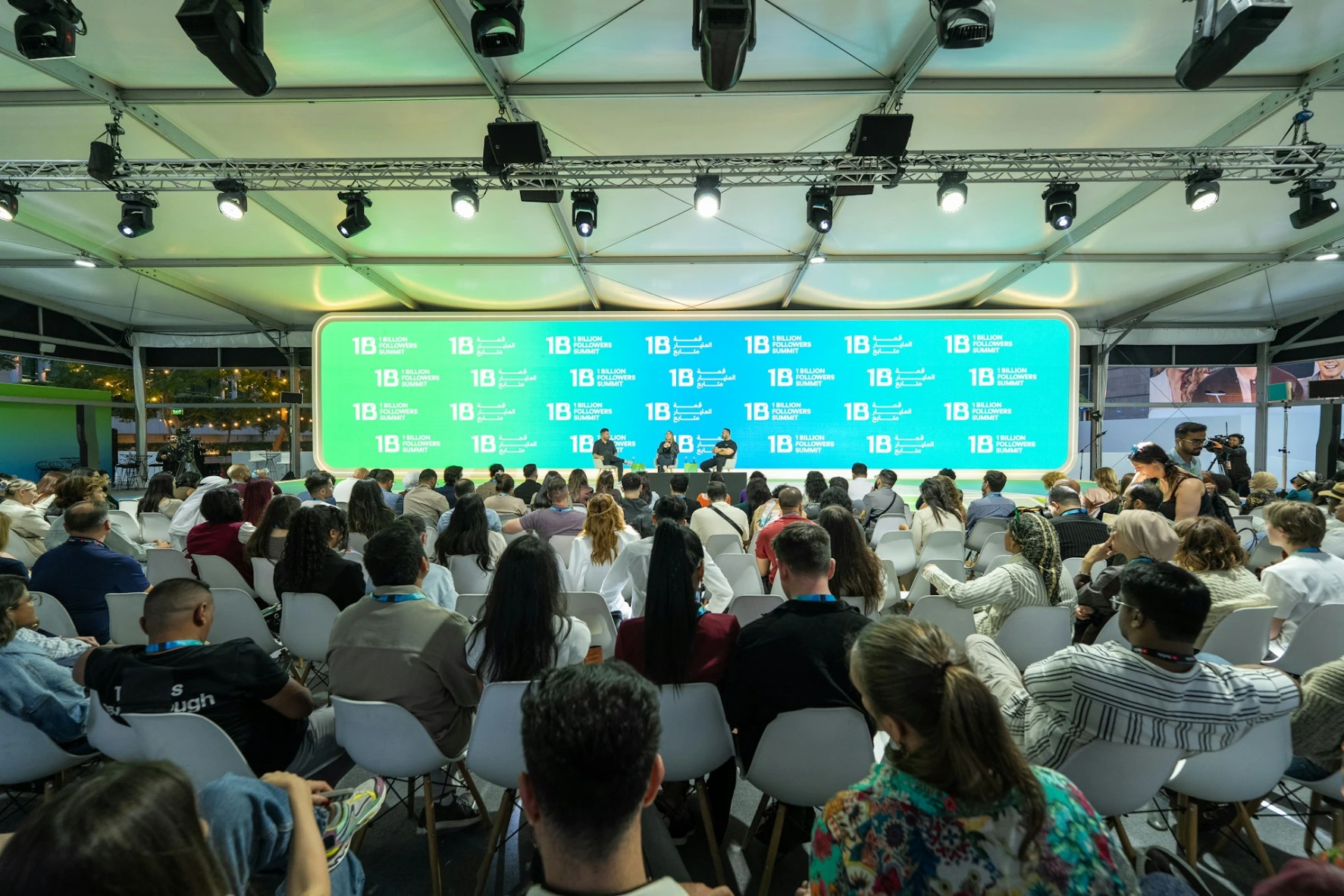
Once trust had begun to emerge, we launched a series of Large Scale Interactive Process (LSIP) workshops. Each workshop brought together around fifty participants representing every level of the organization—from senior executives to shop-floor employees—in carefully designed "max-mix" groups. Supported by trained facilitators, participants collectively explored fundamental questions:
- Who are we?
- Where do we stand compared with our competitors?
- What kind of organization do we aspire to become?
- What should be our shared vision?
- What strategies and actions will take us there?
The workshops were intentionally experiential rather than instructional. Participants imagined the future organization and expressed their aspirations through essays, drawings, songs, stories, and role plays. The process connected people not only intellectually but also emotionally.
Over several such workshops, recurring themes began to emerge. These became the foundation for the company's Vision, Mission, and Values (VMV). After careful refinement and wordsmithing, the VMV were communicated across the organization. Employees took immense pride in them because they were not management slogans—they were their own ideas, articulated collectively.
From Vision to Action
Having built a shared vision, we turned our attention to execution. Using the Beckhard and Harris Change Model (D × V × F > R), we helped employees understand that successful transformation requires three forces to outweigh resistance:
- Dissatisfaction with the current reality,
- A compelling Vision of the future, and
- Clear First Steps that people can begin immediately.
These workshops generated sixteen high-impact business improvement projects with the potential to significantly improve the company's financial performance.
We carefully selected sixteen change leaders and equipped them with training in quality tools, structured problem-solving methodologies, teamwork, and leadership. Each became the leader of a cross-functional improvement team, working on one of the identified breakthrough projects.
Within four to six months, many of these teams delivered measurable business improvements. Success created credibility, and credibility created belief. Employees who had initially been skeptical—including members of the Workers' Union—began embracing the transformation journey with enthusiasm. The movement gradually became self-sustaining.
Over the next three years, more than one hundred employees were trained in problem-solving techniques, team-based improvement, and collaborative leadership, creating an expanding network of internal change agents.
Why This Approach Worked
Several organizations attempt transformation by introducing new systems, restructuring departments, or issuing directives from the top. While these actions may create short-term compliance, they rarely generate genuine commitment because employees continue to view change as "management's agenda."
Our approach was fundamentally different.
Rather than prescribing solutions, we created an environment where employees, supervisors, union leaders, and senior managers collectively discovered the organization's strengths, defined its future, and designed the path forward. Because people participated in creating the vision and improvement agenda, they developed a deep sense of ownership for implementing it.
The consultant's role was not to provide all the answers. It was to facilitate difficult conversations, build trust among diverse stakeholders, develop internal change leaders, and equip teams with practical problem-solving capabilities that remained within the organization long after the intervention.
That combination of participation, capability building, and disciplined execution transformed change from a management initiative into an organization-wide movement.
The Outcome
The transformation exceeded expectations. Within three years, the organization moved from being a chronic loss-making enterprise to becoming cash-rich and Economic Value Added (EVA) positive. Operational performance improved dramatically, cross-functional collaboration strengthened, and the adversarial relationship between management and the union gave way to a shared commitment to organizational success.
The company's remarkable turnaround attracted attention across the industry. Many visitors came to understand what had changed, and some experts compared the transformation to the principles underlying the Toyota Way—not because we copied Toyota's tools, but because we had built a culture where people solved problems together, learned continuously, and took collective ownership of the organization's future.
Leadership Reflection
This experience fundamentally shaped my consulting philosophy.
Organizations rarely fail because they lack intelligent people or good ideas. More often, they struggle because their people are divided, their aspirations are fragmented, and their improvement efforts lack a structured process that builds ownership.
Many leadership teams attempt to drive transformation themselves. Ironically, their authority sometimes becomes a limitation. Employees may perceive change as another management programme rather than a shared journey. An experienced external facilitator brings neutrality, asks difficult questions without organizational bias, helps conflicting groups find common ground, and transfers capability instead of creating dependency.
My role has never been to "fix" organizations. My role is to help organizations rediscover their own strengths, align people behind a common purpose, develop internal change leaders, and build systems that continue delivering results long after my assignment is complete.
Lasting transformation does not happen because people are instructed to change. It happens when they believe they are creating the future together.