The Challenge
During my tenure in a metallurgical company with approximately 200 employees, the Managing Director expressed deep concern over the organization's meeting culture. Meetings had become lengthy, unproductive, and frustrating. Participants frequently arrived late, often without adequate preparation. Instead of analyzing data beforehand, they carried large Excel printouts and expected the meeting itself to become the venue for analysis.
Discussions were equally ineffective. A few vocal individuals dominated conversations, often drifting into issues unrelated to the agenda, while many participants remained silent throughout the meeting despite having valuable insights. As a result, decision-making was slow, accountability was weak, and meetings consumed a disproportionate amount of managerial time.
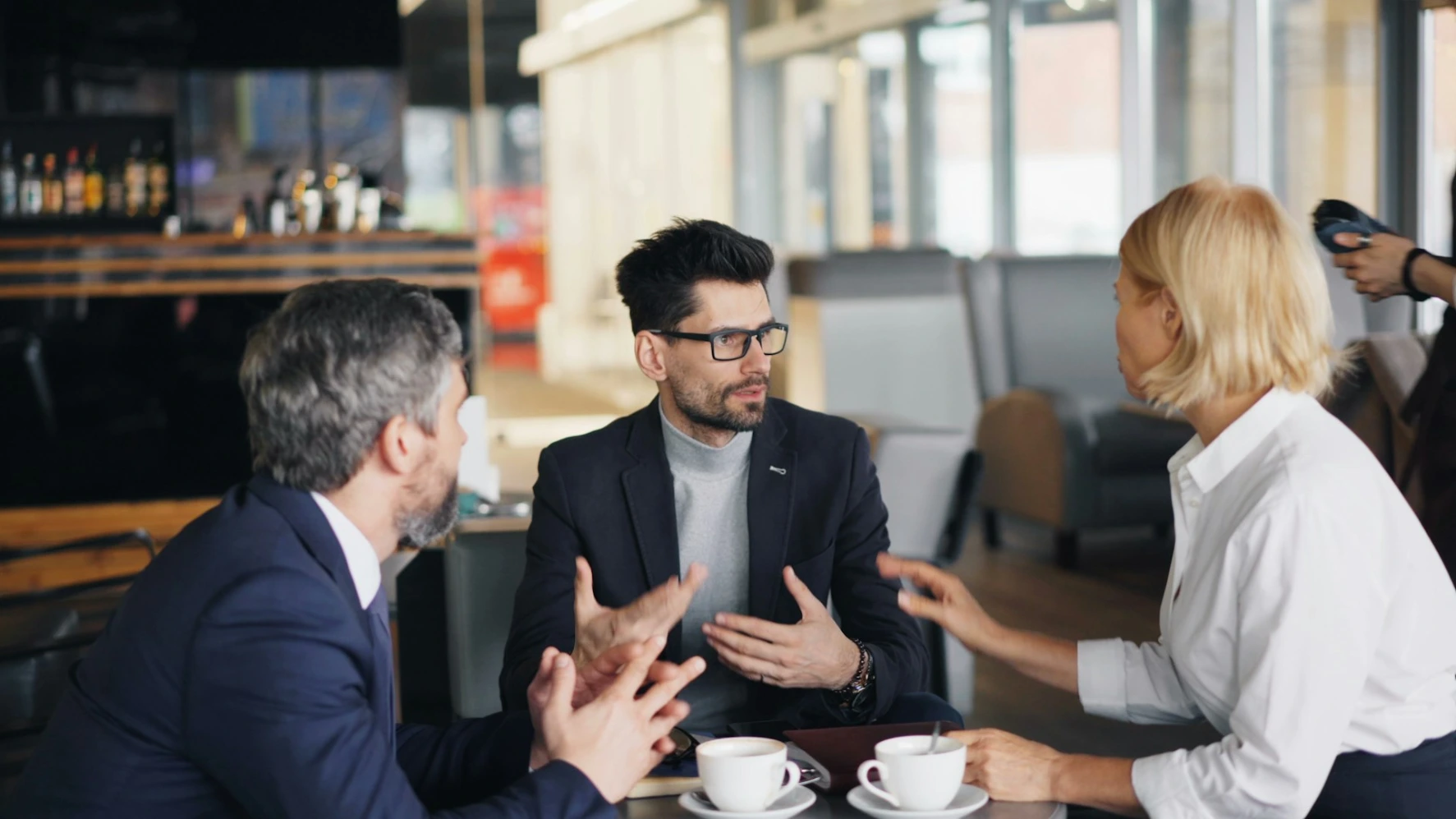
Why Meetings Fail Despite Good Intentions
Most organizations recognize that their meetings are ineffective. Yet, despite repeated reminders about punctuality and discipline, the same problems persist. The reason is simple: organizations often attempt to fix meetings by changing formats rather than changing behaviours.
Managers continue to arrive with data instead of insights, discussions drift away from the agenda, a few dominant voices overshadow others, and valuable ideas remain unheard. Over time, meetings become routine reporting sessions rather than forums for collective thinking and decision-making.
An external facilitator brings a different perspective. Because they are not part of the organizational hierarchy or internal politics, they can objectively observe behavioural patterns, establish common ground rules, coach participants in productive dialogue, and institutionalize disciplines that eventually become part of the organization's culture.
The objective is not merely to conduct better meetings but to build an organization capable of thinking together, deciding faster, and executing with greater alignment.
The Intervention
Rather than redesigning the meeting structure, we focused on redesigning meeting behaviour.
First, every meeting invitation was required to include PAL:
Purpose – Why are we meeting?
Agenda – What specific issues will be discussed?
Time Limit – How much time is available?
Second, every participant was expected to come prepared. Instead of merely presenting data, they had to complete a pre-analysis and arrive with two or three practical improvement options requiring management's guidance, approval, or support.
Our objective was not simply to reduce meeting duration; it was to fundamentally change the quality of conversations.
We therefore redesigned the meeting process around three principles:
Preparation before participation.
Respect before response.
Facilitation before hierarchy.
These principles were translated into a few simple but rigorously followed disciplines.
Third, we established a few simple but powerful behavioural values that became the operating principles for every meeting:
OOPS! – Only One Person Speaks at a Time
Listen as if your life depends on it.
We are people—not alligators or rabbits.
(Neither attack others nor remain silent; contribute constructively.)
Finally, every important meeting had a trained facilitator whose role was not to influence decisions but to ensure adherence to the agreed process, maintain time discipline, encourage balanced participation, and reinforce meeting values.
The Outcome
Within a few months, meetings underwent a remarkable transformation. Participants came prepared with analysed information rather than raw data. Discussions shifted from explaining problems to evaluating improvement alternatives. Decision-making became significantly faster because management no longer spent valuable time interpreting spreadsheets during meetings.
Equally important, the behavioural dynamics changed. The dominance of a few individuals reduced naturally, quieter participants found the confidence to contribute, and disagreements became more constructive because everyone understood and respected the agreed meeting values.
What had once been viewed as a routine administrative activity evolved into one of the organization's most effective mechanisms for collaboration, learning, and decision-making
Leadership Reflection
This experience fundamentally changed my understanding of organizational effectiveness.
Many organizations believe they have a meeting problem. In reality, they have a leadership behaviour problem.
Meetings merely reflect the culture of an organization. When people come unprepared, dominate conversations, avoid difficult discussions, or remain silent despite having valuable insights, these behaviours are symptoms of deeper organizational habits.
My consulting approach therefore focuses not on redesigning meetings but on redesigning the behaviours, disciplines, and facilitation processes that shape those meetings. Once these become embedded, meetings cease to be reporting forums and become powerful platforms for collective thinking, faster decisions, and stronger execution.
Great organizations are not distinguished by the number of meetings they conduct. They are distinguished by the quality of thinking, dialogue, and decisions that emerge from those meetings.
Consultant's Insight
Most organizations don't need more meetings; they need better meeting disciplines. Simple behavioural rules, combined with skilled facilitation and rigorous preparation, can transform meetings from reporting rituals into powerful engines of collaboration, faster decision-making, and execution excellence.
Share it on